From airport edge to city heartbeat
A practical route that quietly mirrors Barcelona’s transformation into a global city.
Table of Contents
Why direct airport links became essential
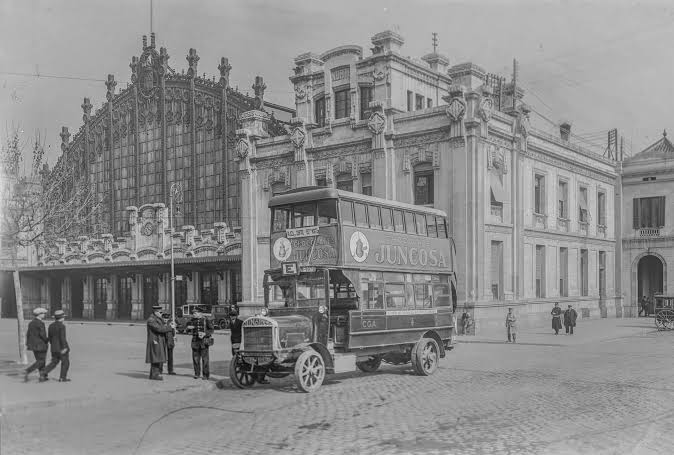
Long before airport transfer became a polished travel product, getting from an airport to the city often meant piecing together partial information, unfamiliar local transport lines, and a fair amount of uncertainty—especially for first-time visitors arriving with luggage, jet lag, and limited language confidence. As Barcelona expanded its role as a European tourism and business destination, that old model became increasingly impractical. What the city needed was not only transport capacity, but transport clarity: a route that any traveler could understand in seconds. The Aerobus concept answered that need with a straightforward promise—direct airport-city movement, clear boarding points, and high frequency that reduced anxiety as much as waiting time.
In this sense, Aerobus is more than a bus line. It reflects a broader shift in urban mobility priorities: designing systems around real traveler behavior, not just network theory. People arriving by plane rarely want complexity; they want confidence. The consistency of route identity, stop naming, and terminal logic made the service legible even under pressure, and that legibility became one of its strongest historical contributions. Over time, what started as a practical transfer option evolved into an expected part of the Barcelona arrival ritual—an almost invisible piece of infrastructure whose success is measured by how little friction it creates.
El Prat’s growth and changing traveler needs
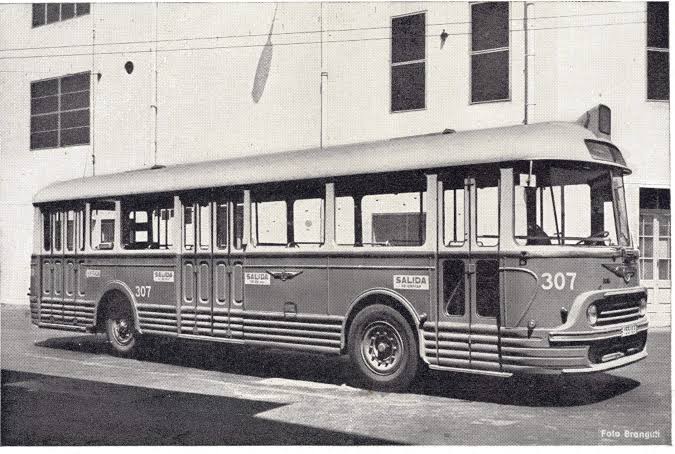
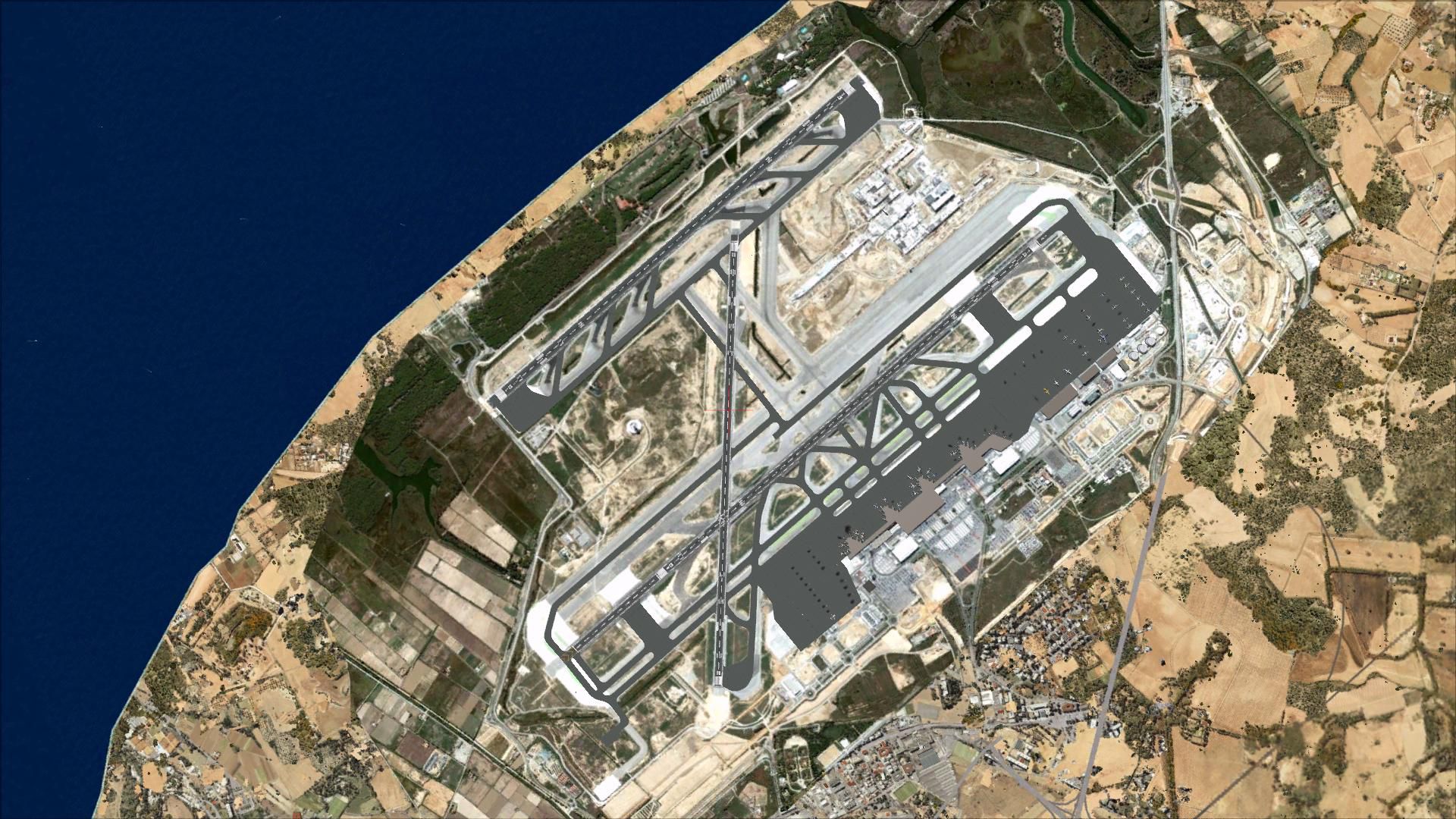
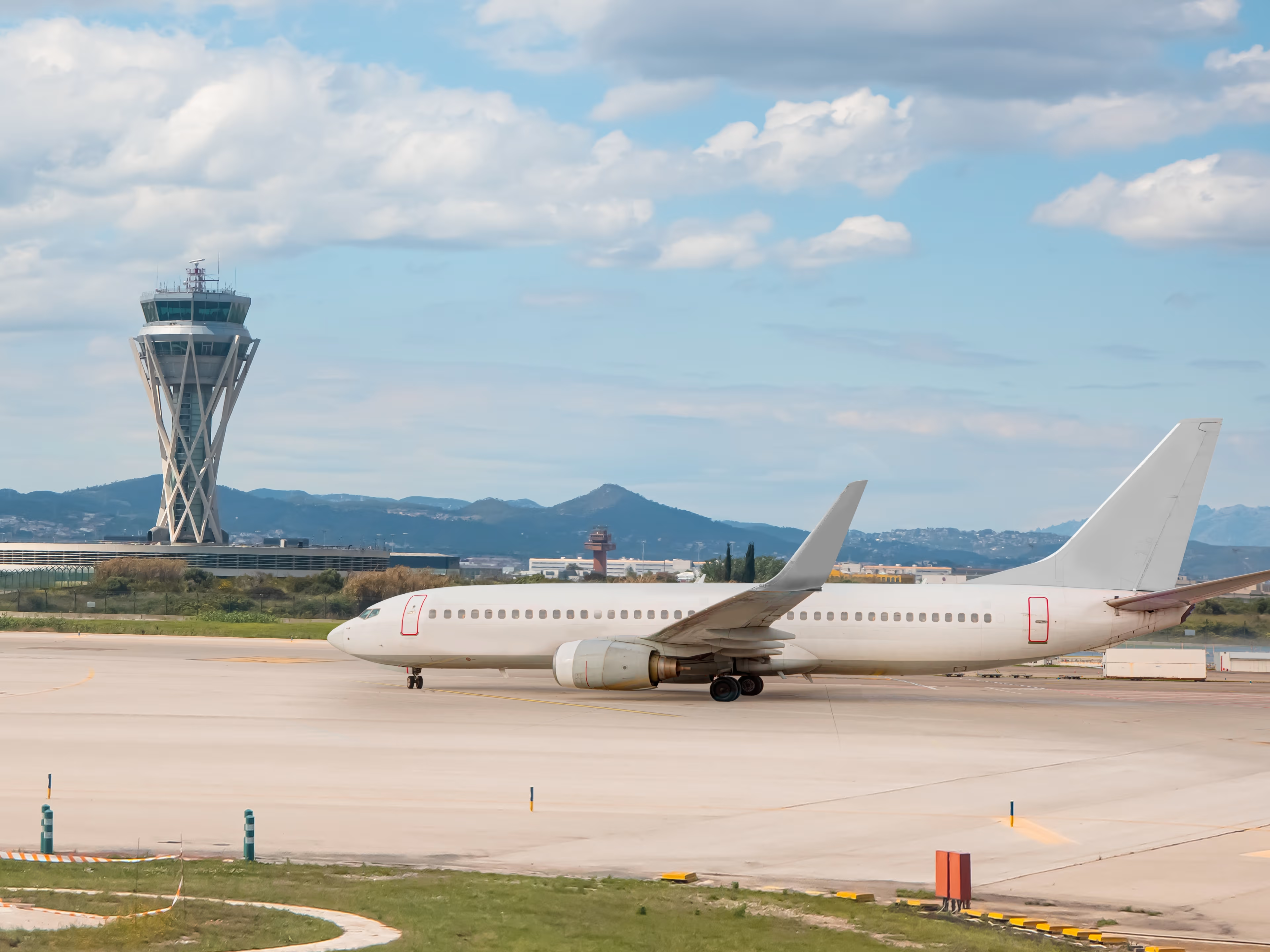
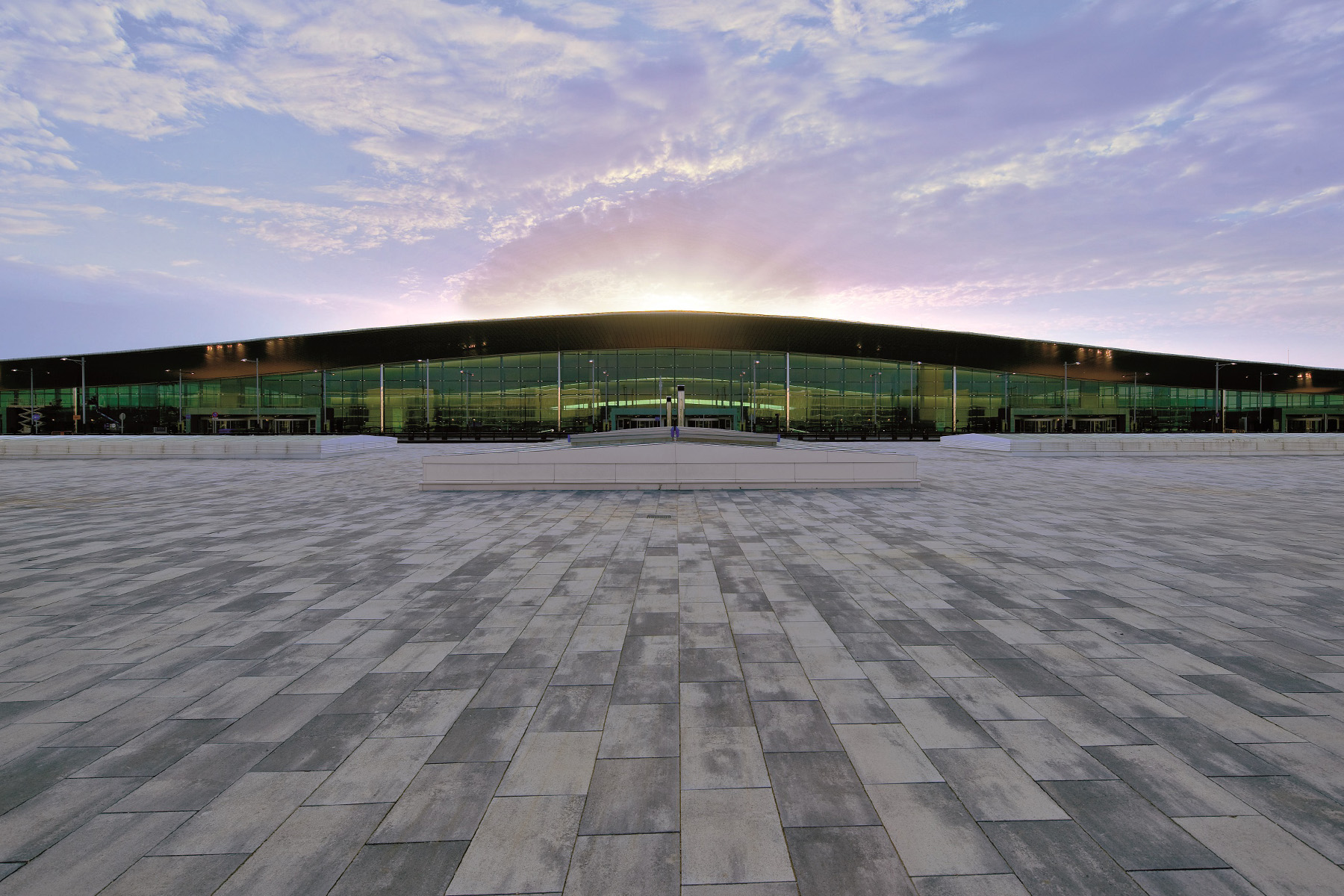
As Barcelona–El Prat handled steadily rising passenger volumes over the years, the profile of airport users diversified dramatically. Weekend city-break travelers, cruise passengers, digital nomads, conference attendees, and families on longer European itineraries began sharing the same arrival halls, each with different timing pressures and comfort expectations. A transfer service built for occasional usage had to evolve into one that could handle waves of demand with predictable throughput. Aerobus adapted by reinforcing frequency patterns and route communication, helping passengers transition quickly from aircraft logistics to city mobility.
This evolution also tracked cultural change in travel itself. Modern passengers compare transfer options in real time, expect transparent pricing, and rely on mobile-first information before their plane even lands. The service environment around El Prat therefore shifted from purely physical infrastructure to an ecosystem of digital expectations: clear ticket products, easier pre-booking, and recognizable branding from terminal exit to city stop. In historical terms, Aerobus matured alongside Barcelona’s rise as a year-round destination, becoming not just a response to airport growth but one of the operational tools that made that growth manageable.
How terminal-specific routes improved clarity
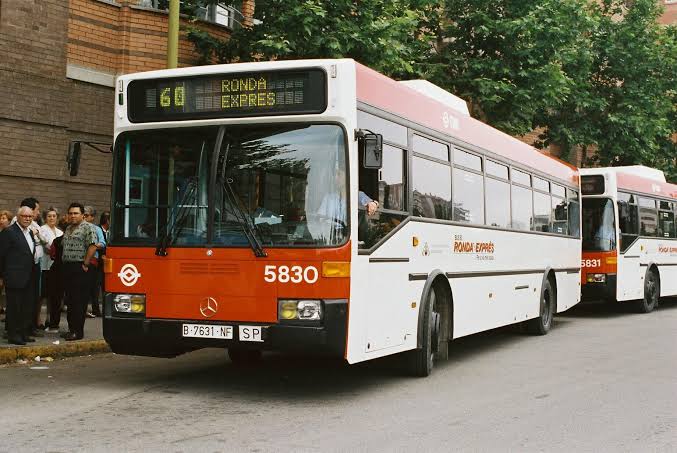
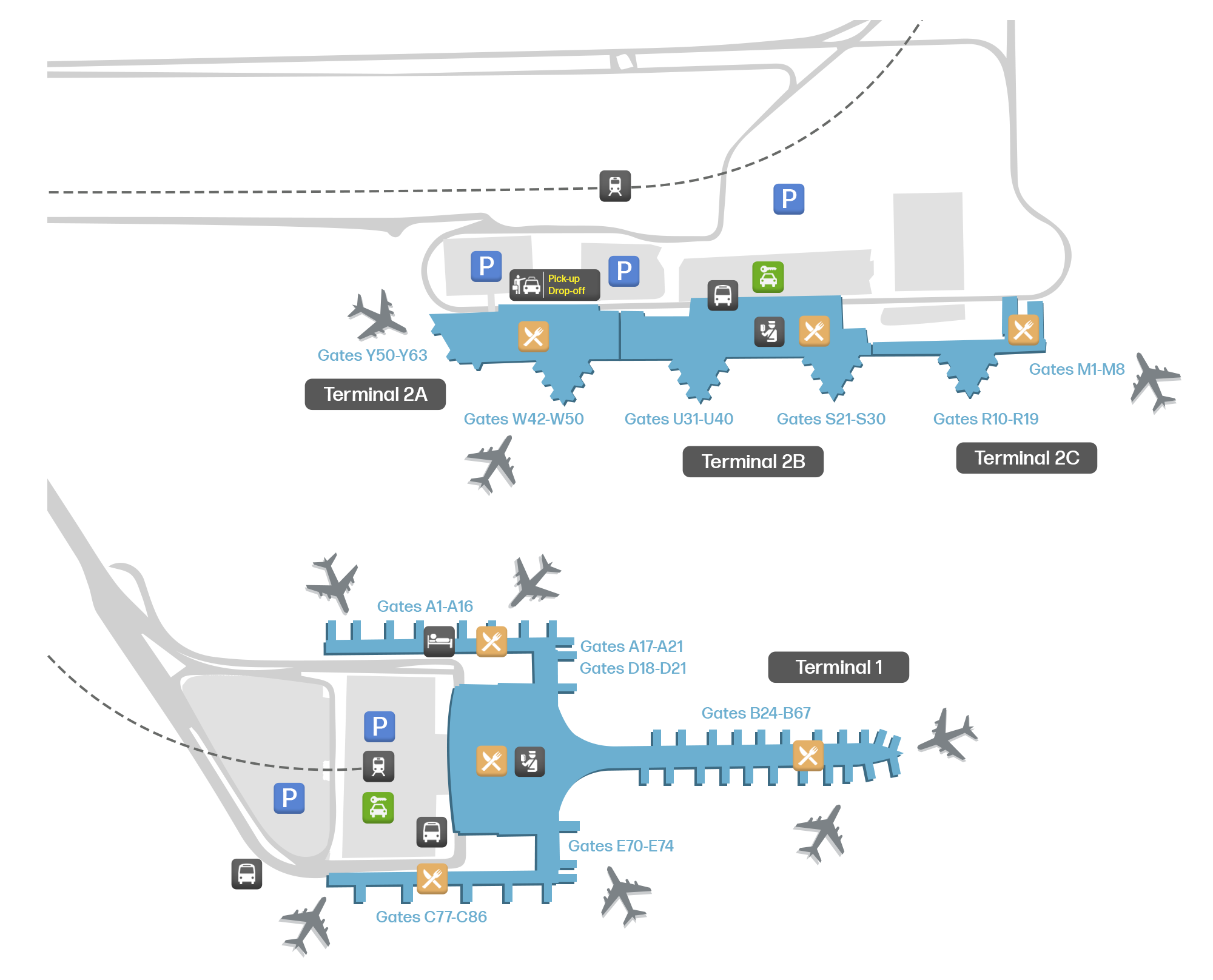
One of the most practical design choices in the Aerobus story is the separation of terminal routes. At first glance, this may seem like a simple operational detail; in practice, it dramatically improves passenger decision-making. Airports are cognitively heavy environments—arrivals, baggage, immigration, and onward planning all happen at once. By offering route logic tied clearly to T1 or T2, Aerobus reduces ambiguity at the exact moment when travelers are least willing to absorb complex instructions.
Historically, these route distinctions helped standardize the transfer experience across seasons and visitor types. Regular users could trust the pattern; newcomers could decode it quickly. That combination of repeatability and immediate readability is rare and valuable in airport transport. It also illustrates a wider principle in public-facing mobility: operational sophistication works best when presented as user simplicity. Behind the scenes, schedules and dispatching may be dynamic; for passengers, the experience feels straightforward—and that is precisely the point.
Plaça Catalunya as an urban gateway
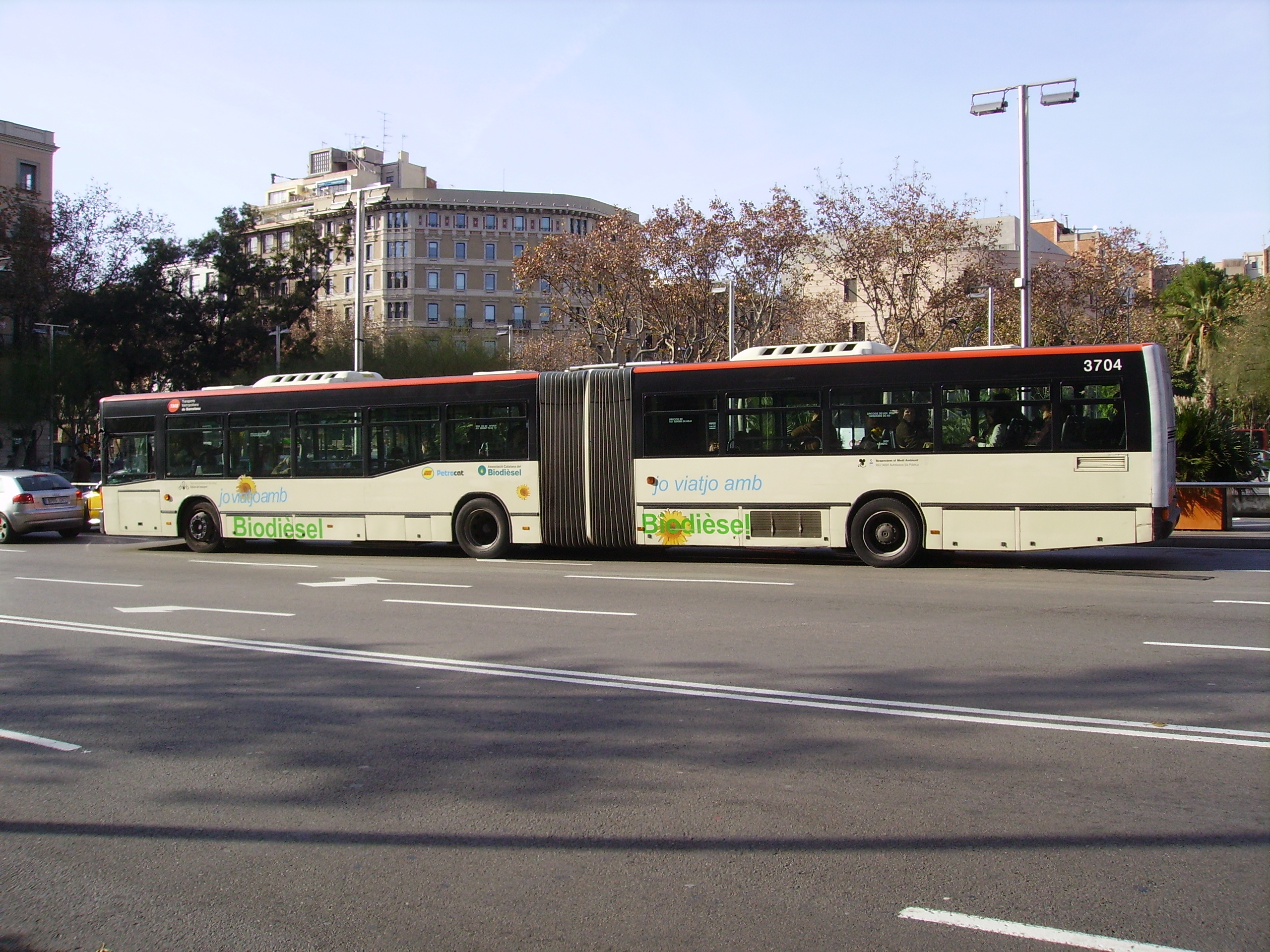
Plaça Catalunya has long been one of Barcelona’s symbolic and practical crossroads, linking old and new urban textures, retail corridors, metro lines, and key pedestrian flows. Positioning the Aerobus around this area transformed a transport endpoint into an arrival narrative: many visitors step off the shuttle and immediately feel they have entered the city proper, not merely reached a transit node. This emotional dimension matters. First impressions influence how visitors perceive accessibility, safety, and city organization within minutes of arrival.
From a historical mobility perspective, anchoring airport transfer near a major central square creates multiplier effects. It shortens the final ‘last-mile uncertainty’ for many accommodations, supports smooth interchanges, and distributes incoming travelers into multiple districts without forcing extra modal complexity at the airport edge. Over the years, this helped normalize Aerobus as a default option for a wide audience: practical enough for budget-conscious travelers, predictable enough for business schedules, and familiar enough to be recommended repeatedly by hosts, hotels, and returning visitors.
Frequency, reliability, and traffic reality
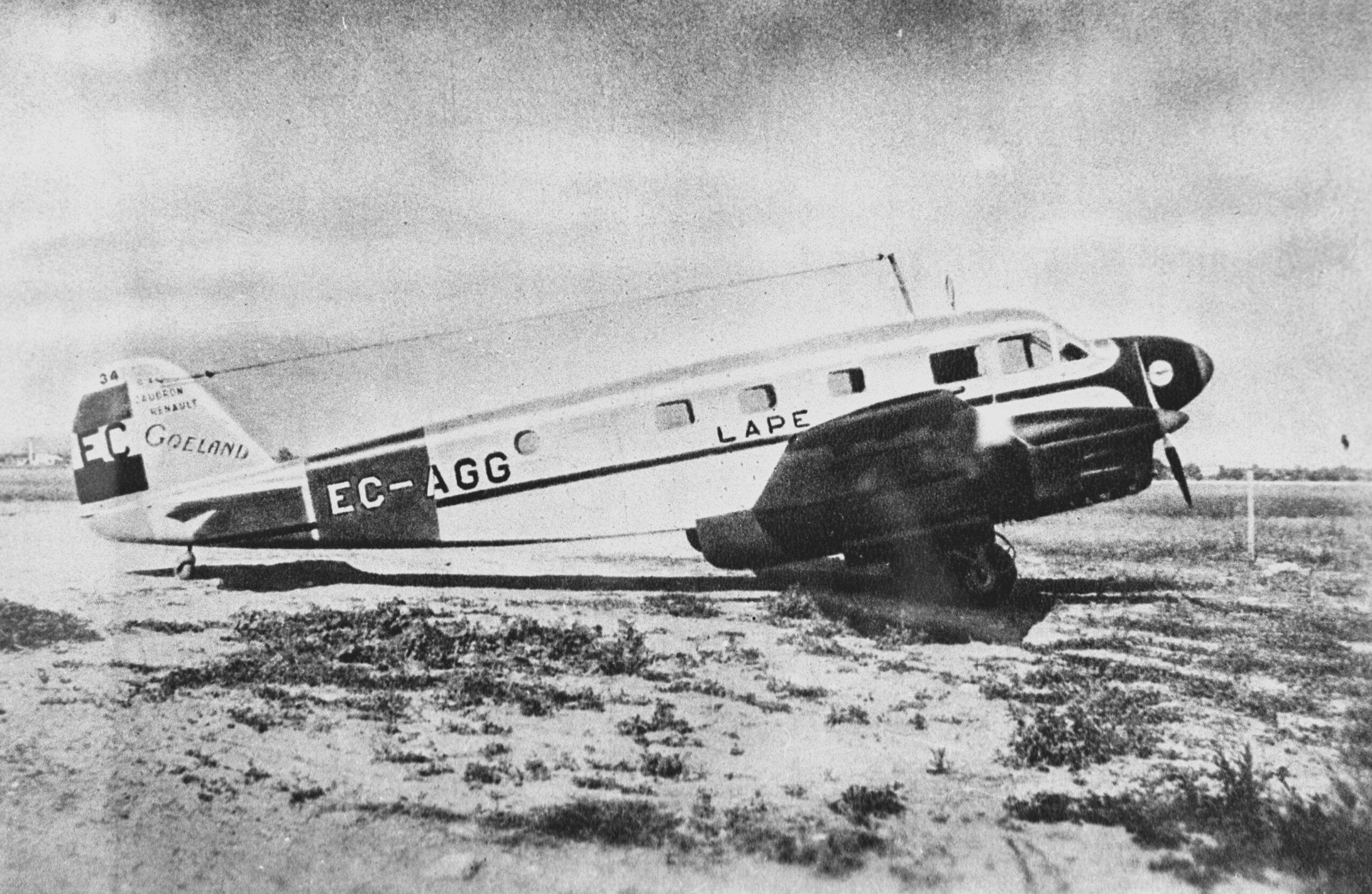
No airport shuttle exists outside traffic reality, and Barcelona is no exception. The enduring value of Aerobus lies not in eliminating congestion, but in managing it through high-frequency planning and route consistency. Travelers tend to evaluate transfer quality less by theoretical top speed and more by total uncertainty: How long might I wait? Will I miss this one and be stranded? Is there a clear next option? Frequent service helps answer those questions in reassuring terms.
Historically, this reliability mindset has been central to the route’s reputation. Even when road conditions fluctuate, a service pattern with predictable intervals and visible stop operations preserves user trust. That trust compounds over time: people who once tested the route cautiously begin to depend on it, then recommend it. In urban transport history, that transition—from optional experiment to default behavior—is often the strongest sign that a service has become structurally important.
Luggage, comfort, and passenger experience
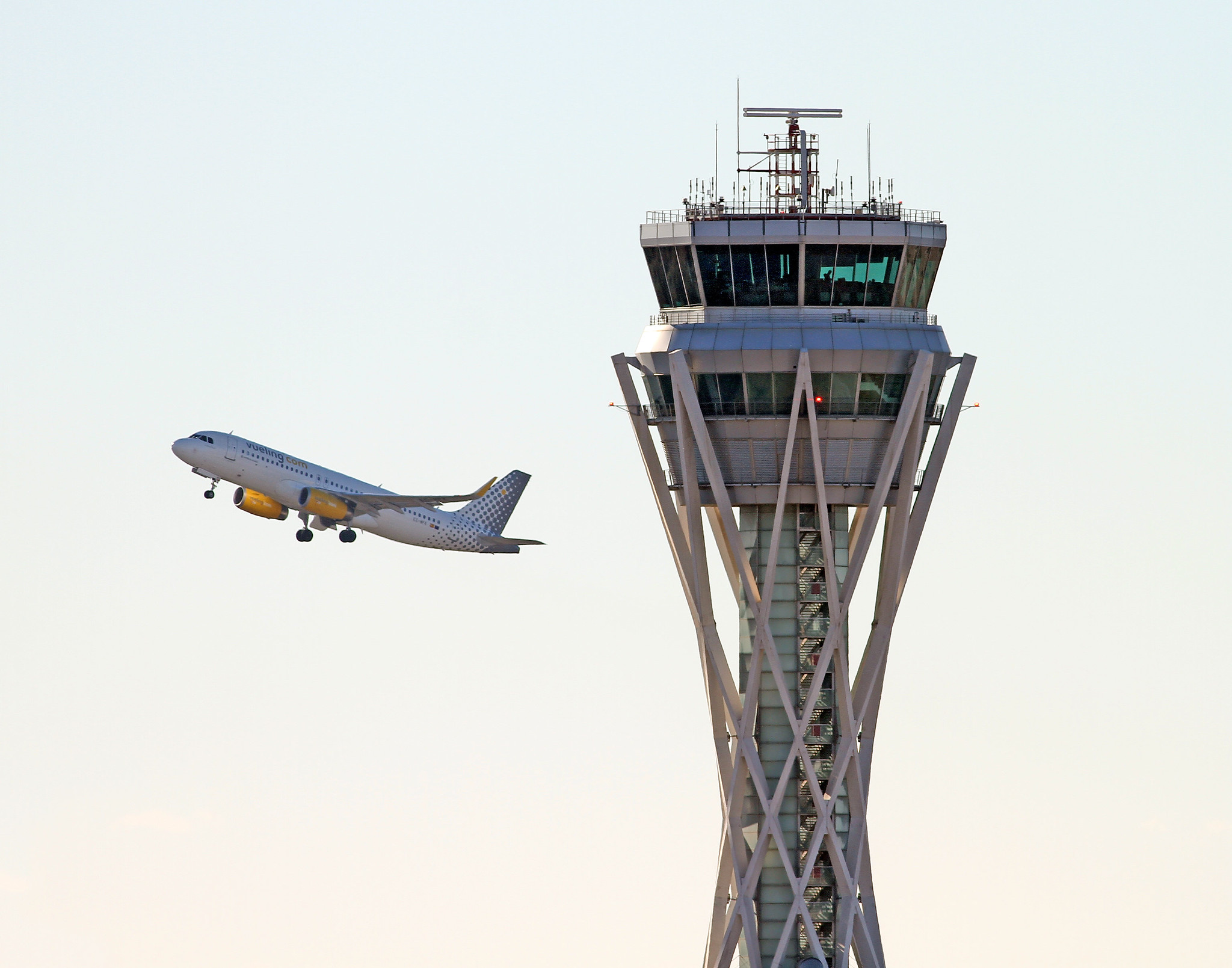
Airport passengers travel differently from routine commuters: they carry more, pause more, and need clearer onboard orientation. Aerobus design choices around luggage accommodation and boarding flow answer this specific travel behavior. The result is not luxury, but functional comfort—the kind that lowers stress and preserves time. For many travelers, especially after long flights, that distinction is crucial.
Historically, transport systems that ignore passenger context struggle to sustain loyalty. Aerobus endured because it treated the airport-city transfer as its own mobility category, not merely an extension of generic bus service. Over time, this user-centered approach helped define expectations in Barcelona: a transfer should be direct, legible, reasonably comfortable with luggage, and frequent enough to absorb demand spikes without panic.
Aerobus and Barcelona’s tourism economy
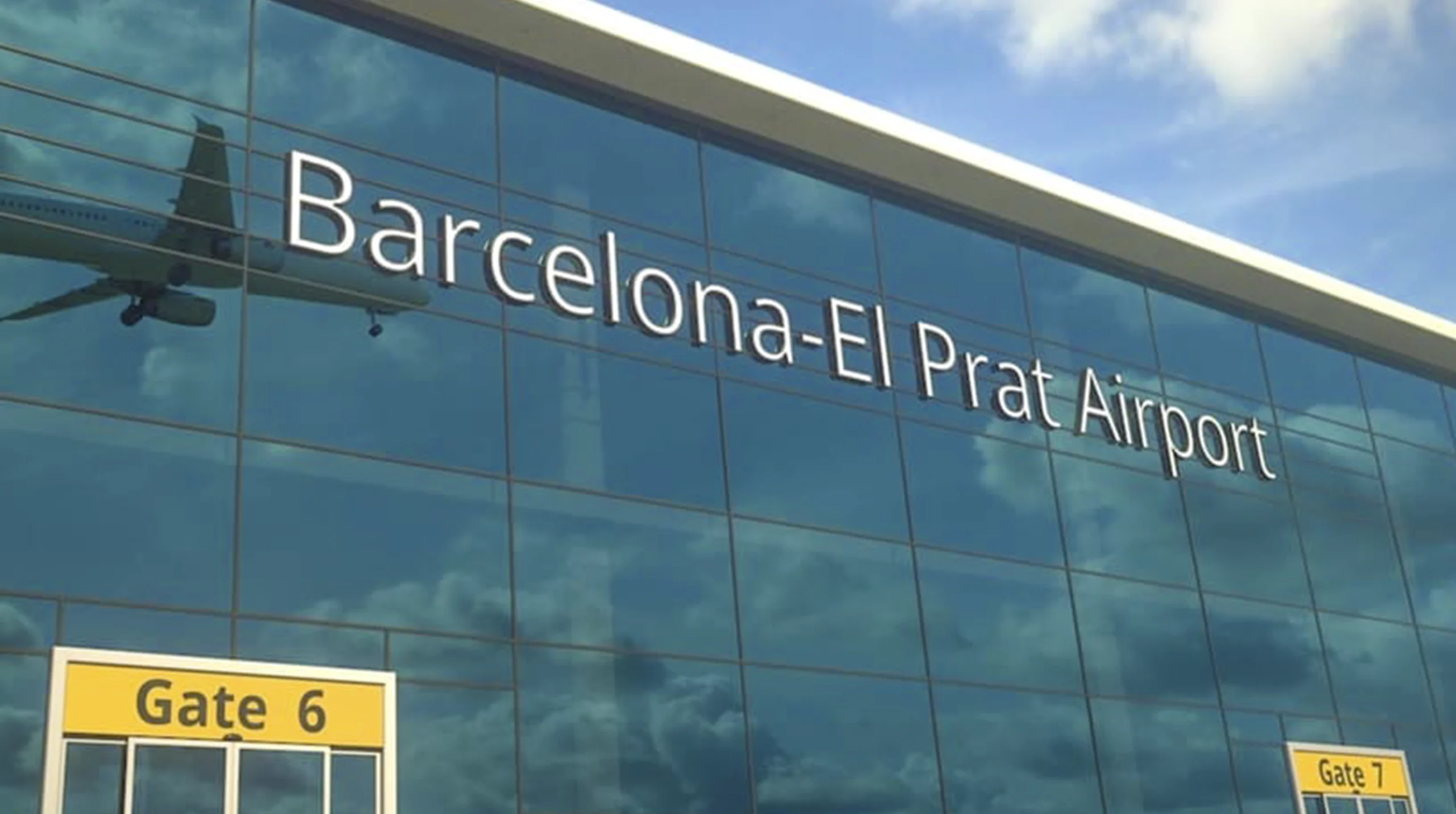
Barcelona’s visitor economy depends on countless visible and invisible systems working in sequence: airports, urban transport, accommodation turnover, event logistics, and neighborhood mobility. Aerobus sits right at the interface between international arrival and local economic participation. A smoother transfer means guests check in sooner, move through the city earlier, and begin spending across retail, dining, culture, and services with less delay.
In historical terms, this makes the shuttle route a small but meaningful contributor to destination competitiveness. Cities often compete through iconic attractions, yet operational convenience can shape traveler satisfaction just as strongly. When airport transfer feels manageable, the whole city experience feels more welcoming. Aerobus has therefore played a quiet role in reinforcing Barcelona’s reputation as a destination where practical movement supports cultural exploration.
Accessibility and inclusive transport design
Inclusive mobility has gradually moved from optional aspiration to core expectation, and airport transfer services are part of that shift. Aerobus operations increasingly reflect the principle that usability should extend across mobility profiles, luggage conditions, and travel confidence levels. Features such as easier boarding geometry, clear stop identification, and staff support at busy points can significantly improve outcomes for passengers who might otherwise face barriers.
Historically, accessibility progress often advances incrementally rather than all at once. What matters is direction and consistency: clearer information, better boarding practice, and system-level attention to real passenger diversity. In that context, Aerobus illustrates how mainstream transfer services can evolve beyond simple throughput and contribute to a more inclusive urban entry experience.
Event seasons, peaks, and operational adaptation
Barcelona’s calendar includes major congresses, holiday surges, cruise overlaps, and cultural peaks that can stress city-airport connections. Services like Aerobus are tested most intensely not on ordinary days, but when demand patterns become uneven and fast-moving. The ability to maintain visible, understandable operations during these periods is a major part of long-term credibility.
Over time, adaptation to peak cycles has become part of the route’s operational identity. Travelers may not see dispatch planning or demand balancing directly, but they experience the outcome in queue movement, service continuity, and confidence that another bus is coming soon. Historically, this is where transport reputation is won: under pressure, not in ideal conditions.
Tickets, digital habits, and smart planning
Ticketing behavior has changed dramatically in recent years. Many travelers now decide, buy, and store transfer products on their phones, often while still in transit. Aerobus has benefited from this shift because its value proposition is easy to evaluate digitally: direct route, clear stops, familiar transfer purpose. The less ambiguous the product, the easier it is to purchase confidently online.
Historically, digital adoption does more than replace paper; it reshapes traveler psychology. Pre-booking reduces arrival friction, and reduced friction improves perceived control. For airport transfers, perceived control is often the hidden variable behind positive reviews and repeat use. In practical terms, smart planning means checking stop proximity to your accommodation, confirming terminal direction, and allowing realistic time buffers—simple choices that make the whole transfer experience feel intentionally smooth.
Sustainability conversations and urban mobility
As cities rethink mobility sustainability, airport access becomes a particularly sensitive domain. Individual taxis offer convenience but can intensify road pressure; high-capacity shuttles can help distribute demand more efficiently when well used. Aerobus sits within this broader conversation as a shared transfer model that may reduce per-passenger roadway impact compared with fragmented private trips.
Historically, transport sustainability is rarely solved by a single mode. It emerges from balanced ecosystems where airport shuttles, rail links, local transit, and walkable urban design complement one another. Aerobus contributes to that ecosystem by making shared airport transfer legible and practical for a mass audience—an important precondition for any meaningful modal shift.
Future expectations for airport-city transfer
Looking ahead, passenger expectations will likely continue rising: more real-time information, better multimodal integration, and stronger reliability transparency during disruptions. Travelers increasingly expect not just transport, but communicative transport—services that tell them clearly what is happening and what to do next.
Aerobus is well positioned in this landscape if it keeps refining clarity, frequency communication, and digital usability. In many ways, the future of airport transfer is not about reinventing the route itself, but about reducing uncertainty at every micro-step: boarding, timing, terminal accuracy, and onward connection confidence. The services that master that detail will define the next chapter of urban arrival experience.
Why this shuttle matters more than it seems
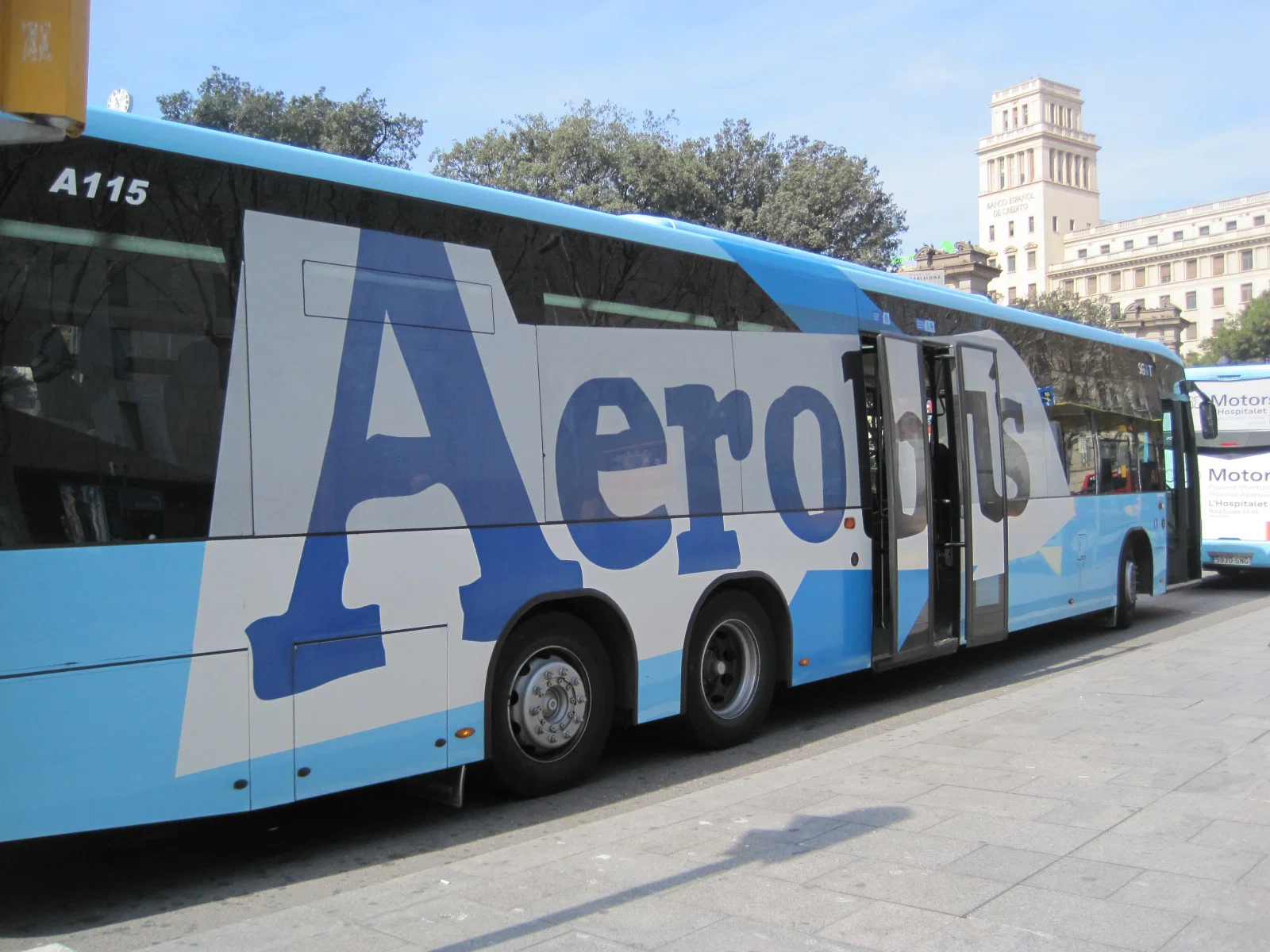
At a glance, Aerobus is simply the bus you take after landing or before flying out. But looked at more closely, it is one of the city’s everyday systems of welcome—a practical handshake between global movement and local life. It translates a complex metropolitan reality into a manageable first step, and that first step often sets the emotional tone for the entire stay.
By the time travelers return to the airport, many realize this transfer did more than move them geographically. It reduced friction, protected time, and made the city feel navigable from day one. That is why the Aerobus story deserves attention: not because it is dramatic, but because it is reliably useful—an understated piece of infrastructure that helps Barcelona remain open, connected, and easier to experience for everyone.
Table of Contents
Why direct airport links became essential
Long before airport transfer became a polished travel product, getting from an airport to the city often meant piecing together partial information, unfamiliar local transport lines, and a fair amount of uncertainty—especially for first-time visitors arriving with luggage, jet lag, and limited language confidence. As Barcelona expanded its role as a European tourism and business destination, that old model became increasingly impractical. What the city needed was not only transport capacity, but transport clarity: a route that any traveler could understand in seconds. The Aerobus concept answered that need with a straightforward promise—direct airport-city movement, clear boarding points, and high frequency that reduced anxiety as much as waiting time.
In this sense, Aerobus is more than a bus line. It reflects a broader shift in urban mobility priorities: designing systems around real traveler behavior, not just network theory. People arriving by plane rarely want complexity; they want confidence. The consistency of route identity, stop naming, and terminal logic made the service legible even under pressure, and that legibility became one of its strongest historical contributions. Over time, what started as a practical transfer option evolved into an expected part of the Barcelona arrival ritual—an almost invisible piece of infrastructure whose success is measured by how little friction it creates.
El Prat’s growth and changing traveler needs
As Barcelona–El Prat handled steadily rising passenger volumes over the years, the profile of airport users diversified dramatically. Weekend city-break travelers, cruise passengers, digital nomads, conference attendees, and families on longer European itineraries began sharing the same arrival halls, each with different timing pressures and comfort expectations. A transfer service built for occasional usage had to evolve into one that could handle waves of demand with predictable throughput. Aerobus adapted by reinforcing frequency patterns and route communication, helping passengers transition quickly from aircraft logistics to city mobility.
This evolution also tracked cultural change in travel itself. Modern passengers compare transfer options in real time, expect transparent pricing, and rely on mobile-first information before their plane even lands. The service environment around El Prat therefore shifted from purely physical infrastructure to an ecosystem of digital expectations: clear ticket products, easier pre-booking, and recognizable branding from terminal exit to city stop. In historical terms, Aerobus matured alongside Barcelona’s rise as a year-round destination, becoming not just a response to airport growth but one of the operational tools that made that growth manageable.
How terminal-specific routes improved clarity
One of the most practical design choices in the Aerobus story is the separation of terminal routes. At first glance, this may seem like a simple operational detail; in practice, it dramatically improves passenger decision-making. Airports are cognitively heavy environments—arrivals, baggage, immigration, and onward planning all happen at once. By offering route logic tied clearly to T1 or T2, Aerobus reduces ambiguity at the exact moment when travelers are least willing to absorb complex instructions.
Historically, these route distinctions helped standardize the transfer experience across seasons and visitor types. Regular users could trust the pattern; newcomers could decode it quickly. That combination of repeatability and immediate readability is rare and valuable in airport transport. It also illustrates a wider principle in public-facing mobility: operational sophistication works best when presented as user simplicity. Behind the scenes, schedules and dispatching may be dynamic; for passengers, the experience feels straightforward—and that is precisely the point.
Plaça Catalunya as an urban gateway
Plaça Catalunya has long been one of Barcelona’s symbolic and practical crossroads, linking old and new urban textures, retail corridors, metro lines, and key pedestrian flows. Positioning the Aerobus around this area transformed a transport endpoint into an arrival narrative: many visitors step off the shuttle and immediately feel they have entered the city proper, not merely reached a transit node. This emotional dimension matters. First impressions influence how visitors perceive accessibility, safety, and city organization within minutes of arrival.
From a historical mobility perspective, anchoring airport transfer near a major central square creates multiplier effects. It shortens the final ‘last-mile uncertainty’ for many accommodations, supports smooth interchanges, and distributes incoming travelers into multiple districts without forcing extra modal complexity at the airport edge. Over the years, this helped normalize Aerobus as a default option for a wide audience: practical enough for budget-conscious travelers, predictable enough for business schedules, and familiar enough to be recommended repeatedly by hosts, hotels, and returning visitors.
Frequency, reliability, and traffic reality
No airport shuttle exists outside traffic reality, and Barcelona is no exception. The enduring value of Aerobus lies not in eliminating congestion, but in managing it through high-frequency planning and route consistency. Travelers tend to evaluate transfer quality less by theoretical top speed and more by total uncertainty: How long might I wait? Will I miss this one and be stranded? Is there a clear next option? Frequent service helps answer those questions in reassuring terms.
Historically, this reliability mindset has been central to the route’s reputation. Even when road conditions fluctuate, a service pattern with predictable intervals and visible stop operations preserves user trust. That trust compounds over time: people who once tested the route cautiously begin to depend on it, then recommend it. In urban transport history, that transition—from optional experiment to default behavior—is often the strongest sign that a service has become structurally important.
Luggage, comfort, and passenger experience
Airport passengers travel differently from routine commuters: they carry more, pause more, and need clearer onboard orientation. Aerobus design choices around luggage accommodation and boarding flow answer this specific travel behavior. The result is not luxury, but functional comfort—the kind that lowers stress and preserves time. For many travelers, especially after long flights, that distinction is crucial.
Historically, transport systems that ignore passenger context struggle to sustain loyalty. Aerobus endured because it treated the airport-city transfer as its own mobility category, not merely an extension of generic bus service. Over time, this user-centered approach helped define expectations in Barcelona: a transfer should be direct, legible, reasonably comfortable with luggage, and frequent enough to absorb demand spikes without panic.
Aerobus and Barcelona’s tourism economy
Barcelona’s visitor economy depends on countless visible and invisible systems working in sequence: airports, urban transport, accommodation turnover, event logistics, and neighborhood mobility. Aerobus sits right at the interface between international arrival and local economic participation. A smoother transfer means guests check in sooner, move through the city earlier, and begin spending across retail, dining, culture, and services with less delay.
In historical terms, this makes the shuttle route a small but meaningful contributor to destination competitiveness. Cities often compete through iconic attractions, yet operational convenience can shape traveler satisfaction just as strongly. When airport transfer feels manageable, the whole city experience feels more welcoming. Aerobus has therefore played a quiet role in reinforcing Barcelona’s reputation as a destination where practical movement supports cultural exploration.
Accessibility and inclusive transport design
Inclusive mobility has gradually moved from optional aspiration to core expectation, and airport transfer services are part of that shift. Aerobus operations increasingly reflect the principle that usability should extend across mobility profiles, luggage conditions, and travel confidence levels. Features such as easier boarding geometry, clear stop identification, and staff support at busy points can significantly improve outcomes for passengers who might otherwise face barriers.
Historically, accessibility progress often advances incrementally rather than all at once. What matters is direction and consistency: clearer information, better boarding practice, and system-level attention to real passenger diversity. In that context, Aerobus illustrates how mainstream transfer services can evolve beyond simple throughput and contribute to a more inclusive urban entry experience.
Event seasons, peaks, and operational adaptation
Barcelona’s calendar includes major congresses, holiday surges, cruise overlaps, and cultural peaks that can stress city-airport connections. Services like Aerobus are tested most intensely not on ordinary days, but when demand patterns become uneven and fast-moving. The ability to maintain visible, understandable operations during these periods is a major part of long-term credibility.
Over time, adaptation to peak cycles has become part of the route’s operational identity. Travelers may not see dispatch planning or demand balancing directly, but they experience the outcome in queue movement, service continuity, and confidence that another bus is coming soon. Historically, this is where transport reputation is won: under pressure, not in ideal conditions.
Tickets, digital habits, and smart planning
Ticketing behavior has changed dramatically in recent years. Many travelers now decide, buy, and store transfer products on their phones, often while still in transit. Aerobus has benefited from this shift because its value proposition is easy to evaluate digitally: direct route, clear stops, familiar transfer purpose. The less ambiguous the product, the easier it is to purchase confidently online.
Historically, digital adoption does more than replace paper; it reshapes traveler psychology. Pre-booking reduces arrival friction, and reduced friction improves perceived control. For airport transfers, perceived control is often the hidden variable behind positive reviews and repeat use. In practical terms, smart planning means checking stop proximity to your accommodation, confirming terminal direction, and allowing realistic time buffers—simple choices that make the whole transfer experience feel intentionally smooth.
Sustainability conversations and urban mobility
As cities rethink mobility sustainability, airport access becomes a particularly sensitive domain. Individual taxis offer convenience but can intensify road pressure; high-capacity shuttles can help distribute demand more efficiently when well used. Aerobus sits within this broader conversation as a shared transfer model that may reduce per-passenger roadway impact compared with fragmented private trips.
Historically, transport sustainability is rarely solved by a single mode. It emerges from balanced ecosystems where airport shuttles, rail links, local transit, and walkable urban design complement one another. Aerobus contributes to that ecosystem by making shared airport transfer legible and practical for a mass audience—an important precondition for any meaningful modal shift.
Future expectations for airport-city transfer
Looking ahead, passenger expectations will likely continue rising: more real-time information, better multimodal integration, and stronger reliability transparency during disruptions. Travelers increasingly expect not just transport, but communicative transport—services that tell them clearly what is happening and what to do next.
Aerobus is well positioned in this landscape if it keeps refining clarity, frequency communication, and digital usability. In many ways, the future of airport transfer is not about reinventing the route itself, but about reducing uncertainty at every micro-step: boarding, timing, terminal accuracy, and onward connection confidence. The services that master that detail will define the next chapter of urban arrival experience.
Why this shuttle matters more than it seems
At a glance, Aerobus is simply the bus you take after landing or before flying out. But looked at more closely, it is one of the city’s everyday systems of welcome—a practical handshake between global movement and local life. It translates a complex metropolitan reality into a manageable first step, and that first step often sets the emotional tone for the entire stay.
By the time travelers return to the airport, many realize this transfer did more than move them geographically. It reduced friction, protected time, and made the city feel navigable from day one. That is why the Aerobus story deserves attention: not because it is dramatic, but because it is reliably useful—an understated piece of infrastructure that helps Barcelona remain open, connected, and easier to experience for everyone.